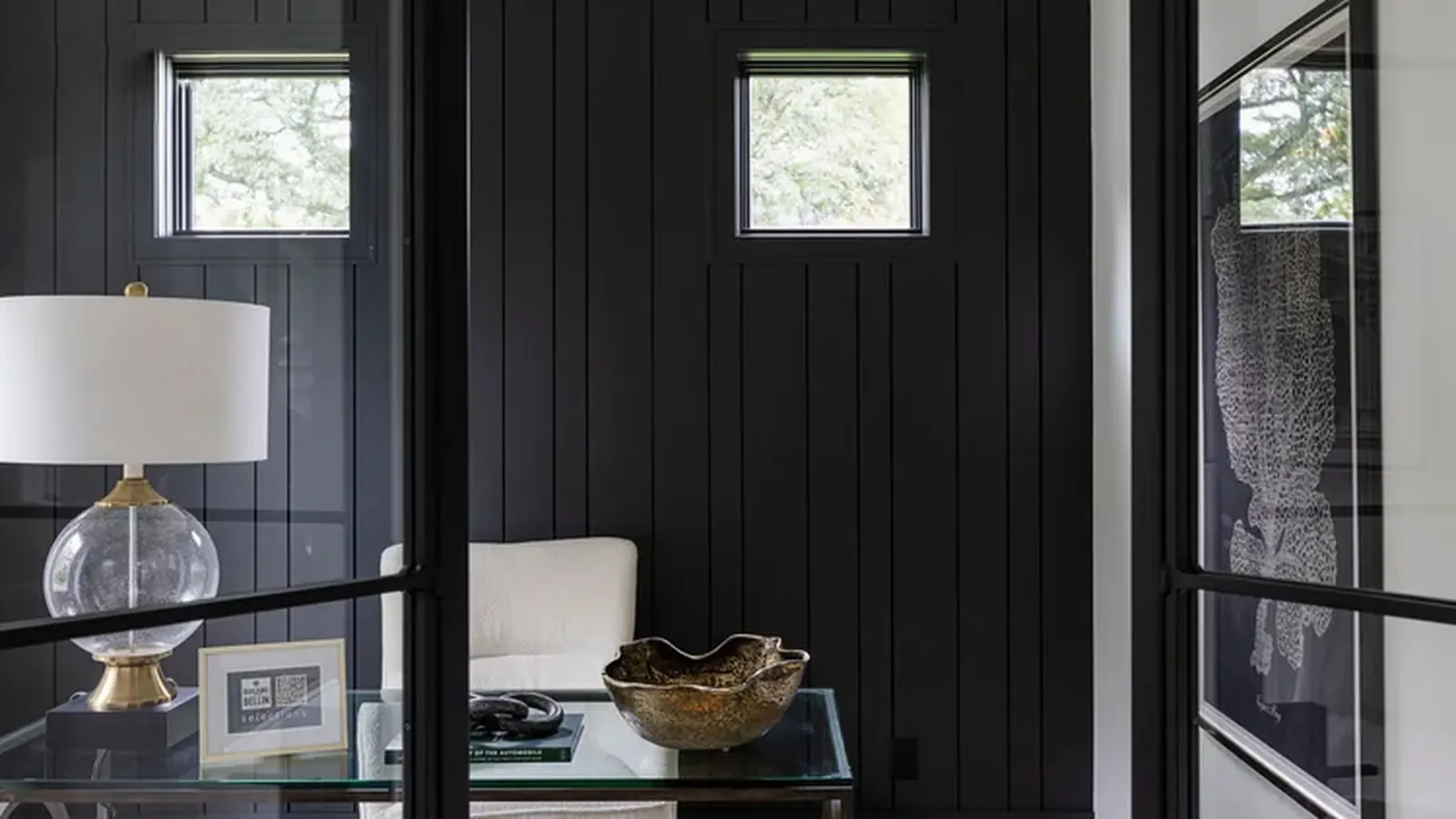
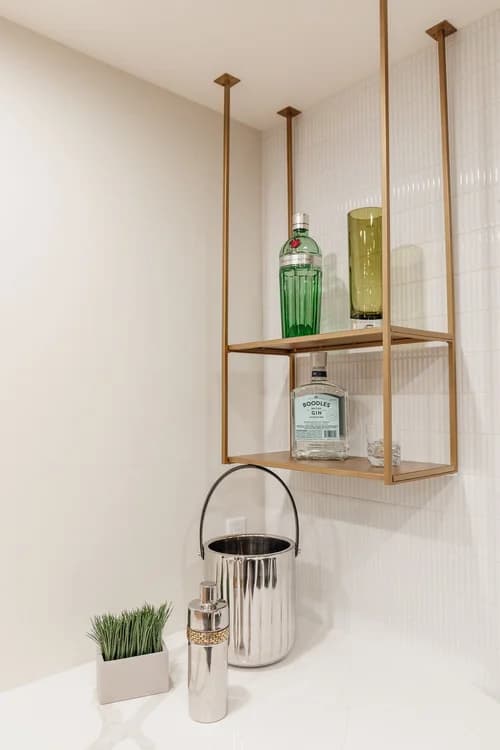
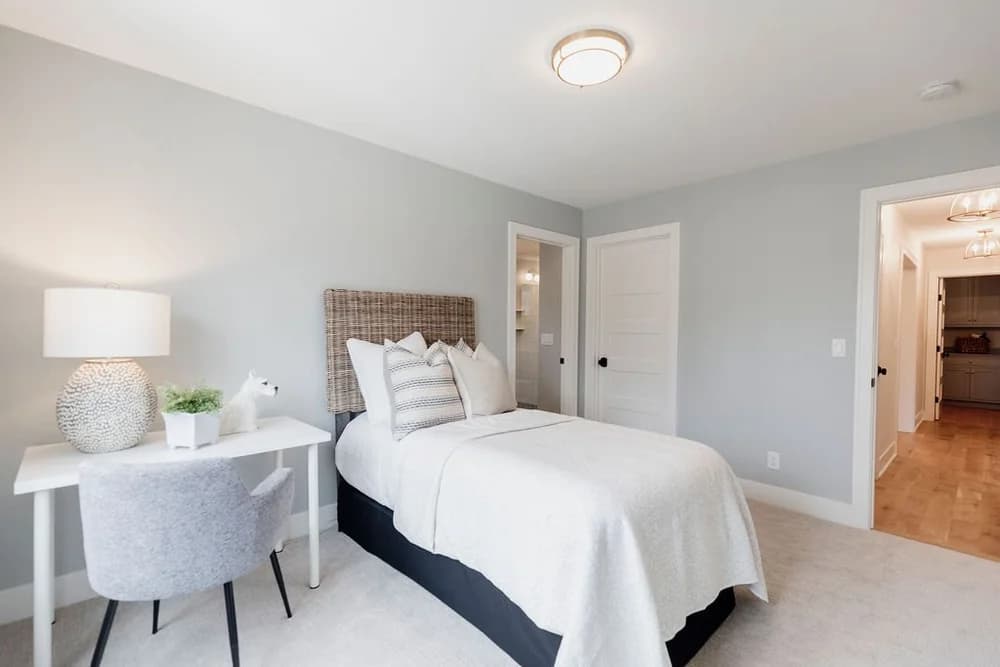
The problem we solve
Homeowners need more than paint applied. The home has to stay protected, repairs need to disappear into the finish, different surfaces need the right preparation, and the project has to move in a controlled sequence.

Interior rooms, whole-home repaints, exterior work, drywall repair, trim, cabinetry, and specialty finishes for Twin Cities homes.
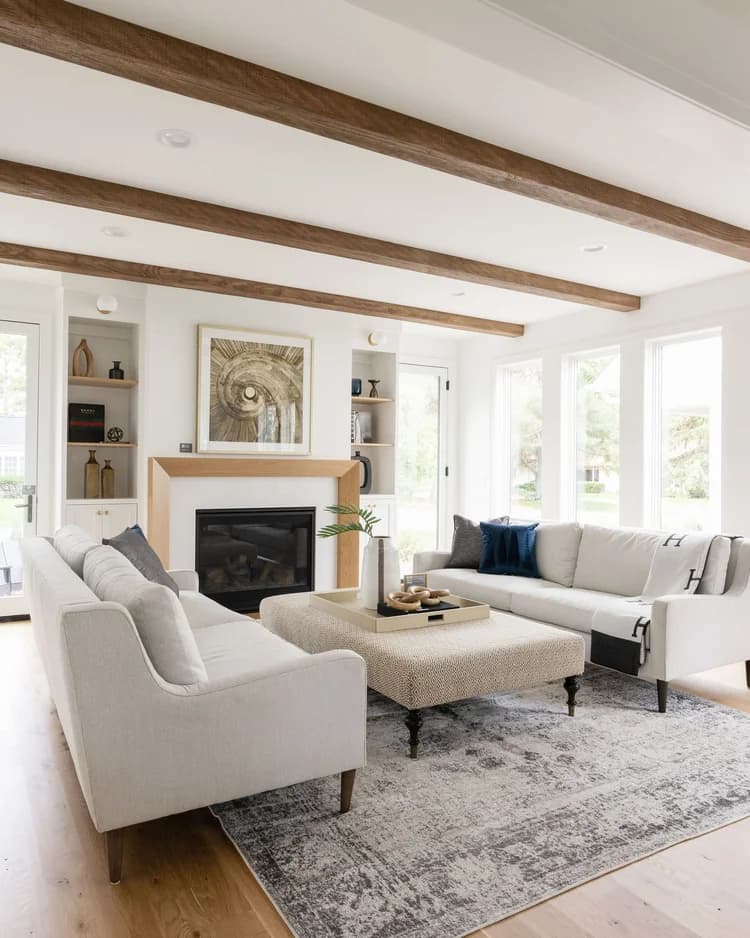
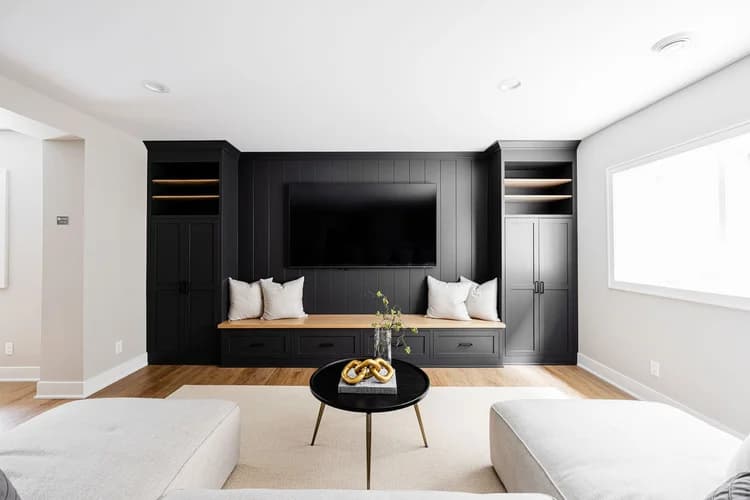
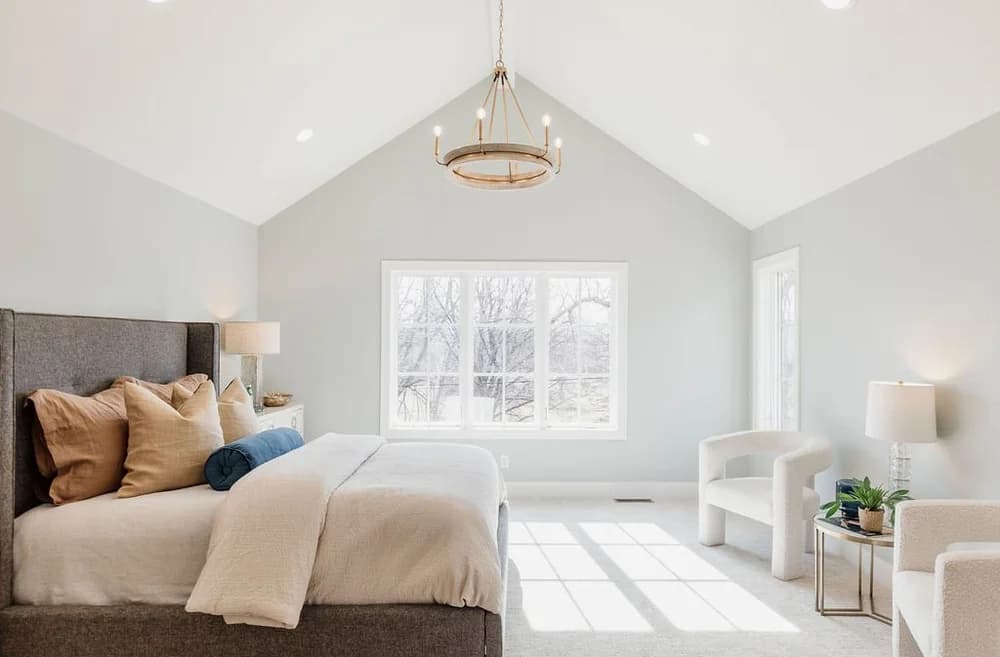
Homeowners need more than paint applied. The home has to stay protected, repairs need to disappear into the finish, different surfaces need the right preparation, and the project has to move in a controlled sequence.
Our documented projects include full wall skim coating, drywall and tape-seam repair, wallpaper removal, millwork prep, cabinet finishing, ceiling texture work, and whole-home room sequencing. The process is built around the actual condition of the home rather than a one-size-fits-all repaint.
Consistent walls and ceilings, cleaner transitions, repaired surfaces that no longer call attention to themselves, and detailed trim or enamel work that holds up at close range.
A better paint job starts before paint is opened. Our named finishing system turns planning, prep, material selection, application, and closeout into a repeatable standard instead of a crew-by-crew guess.
We review substrate condition, repairs, finish expectations, access, protection needs, and the project sequence before production starts.
Floors, fixtures, trim lines, and adjacent finishes are protected while repairs, sanding, caulking, and priming are completed to the level the surface requires.
Brush, roll, and spray methods are selected by surface and finish target, with attention to coverage, sheen consistency, edge control, and dry times.
We inspect details, complete touch-ups, clean the work areas, and review the finished scope before handoff.
Preparation depth and sequencing change by substrate, visibility, and use.
Drywall, seams, cracks, holes, skim-coat areas, caulk lines, and damaged surfaces are addressed before finish coats.
Doors, frames, baseboards, built-ins, vanities, and cabinets require a different prep sequence than walls.
Floors, fixtures, openings, cabinet interiors, and adjacent finishes are protected before production begins.
Scope, changes, and completion details are tracked so the final walkthrough has a clear reference point.
Published case studies now come from completed Stroke of Genius job records. We separate documented project facts from representative portfolio imagery instead of presenting generic examples as completed case studies.
A strong project decision should be supported by verified reviews, visible process, relevant project examples, and clear communication standards.
Loading Google reviews…
Send the rooms, surfaces, address, timeline, and finish goals. We will help define the repair, prep, and coating sequence before work begins.
Start Project InquirySee how the work is planned and controlled.
Choose the service line closest to your project.
Compare project examples and finish standards.
Share the address, timing, photos, and goals.